We spend a lot of time talking about what leaders need to do differently. Less time exploring the beliefs, behaviours and assumptions that shape how they lead in the first place. As an organisational psychologist, coach and facilitator, I draw on behavioural science, personal reflection and experience working with senior leaders across Asia to explore the questions beneath the surface. What happens when the habits that made us successful begin to hold us back? How do we lead through uncertainty without losing our sense of direction? And as AI changes the way we work, what remains distinctly human? My aim is to invite different perspectives and leave people with something worth thinking about long after the conversation ends.
Keynotes · Panels · Workshops · Conversations
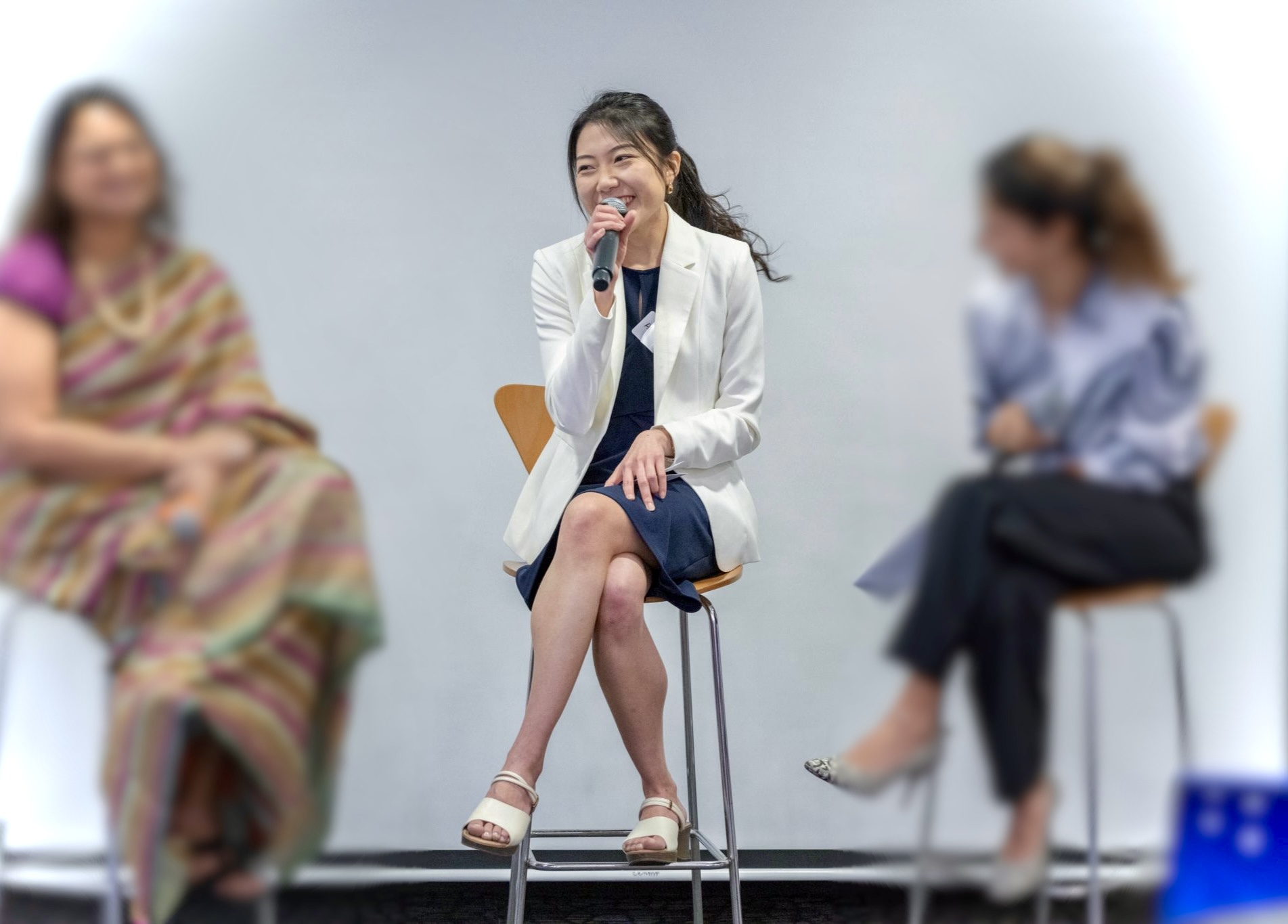
These are recurring questions in my work and writing, rather than fixed talk packages. Each takes a different angle on the psychology of how we lead, achieve, relate and navigate change.
The role of self-awareness, values, emotional regulation and self-trust in how we lead ourselves and others. What patterns show up when we are under pressure? Which strengths help us grow, and when do they start to hold us back?
Why achievement does not always lead to fulfilment, how high standards can become relentless pressure, and what it means to define success on our own terms rather than inherit someone else’s measure.
As AI changes the work we do, it can also unsettle how we understand our relevance and worth. This theme explores identity, uncertainty, critical judgement, curiosity and genuine connection, and the human capabilities we choose to cultivate.
Change is not only a strategic challenge. It is a human one. This theme explores how people respond to ambiguity, how leaders create trust and psychological space for different perspectives, and how we move forward without pretending to have all the answers.
My foundation is organisational psychology and behavioural science. I bring research and evidence into the room, but translate it into language people can recognise, understand and apply.
The best talks don't just give people information. They give people a moment of recognition: "I do that." "That's why I react that way." "I hadn't thought about it like that before." I use stories, reflection and real-world examples to make psychological ideas personal and memorable.
A good talk shouldn't end when people leave the room. Audiences leave with questions to consider, ideas to experiment with and practical ways to translate insight into action.
Over the years, I've spoken, facilitated and delivered learning experiences for audiences across Asia Pacific.
My experience spans leadership, organisational wellbeing, behavioural science, transformation, human behaviour and the future of work.
Research-informed perspectives, grounded in real experiences, that invite audiences to challenge familiar assumptions.
Creating space for multiple perspectives, thoughtful questions and a genuine exchange rather than rehearsed answers.
Interactive experiences that help people examine assumptions, reflect together and translate insights into action.
Accessible, participatory discussions about leadership, identity and the changing world of work.
Alicia moderated our roundtable with remarkable skill, engaging speakers and audience alike, balancing the room, and creating an atmosphere that made the session both impactful and genuinely enjoyable. I would highly recommend her as a panel moderator and facilitator.
E-Commerce Leader · Ex-Consultant · EntrepreneurI share reflections on leadership, self-awareness and the human side of change through speaking, facilitated conversations and writing.